
The transformation of casinos From ancient gaming houses to modern entertainment hubs
The Origins of Gambling
The history of gambling can be traced back to ancient civilizations, where rudimentary forms of betting were prevalent in societies such as Mesopotamia, China, and Rome. These early gaming houses were often informal gatherings, where community members engaged in games of chance, often involving dice or rudimentary cards. These gatherings created a social atmosphere, combining the thrill of competition with the allure of potential wealth. You can easily https://msport-apk.ng/ to download Msport APK online and start placing bets at your fingertips.
As civilizations evolved, so did the concept of gambling. The Romans, for example, created more structured environments for betting, which laid the groundwork for modern casinos. This development marked a significant shift from casual gaming to more organized and commercialized forms of gambling that would later flourish in Europe during the Renaissance.
The Evolution of Casino Architecture
The transformation of casinos is also evident in their architectural styles. Early gaming houses were often simple and unassuming, serving primarily as spaces for gambling. However, as the popularity of gambling grew, so did the sophistication of these venues. The first true casinos emerged in Italy in the 17th century, characterized by elaborate designs that included ornate decorations and luxurious interiors, appealing to the wealthy elite.
This architectural evolution continued into the 19th and 20th centuries, with iconic casinos such as Monte Carlo and Las Vegas becoming symbols of opulence and entertainment. Today, modern casinos are designed not just for gambling, but to create a comprehensive entertainment experience, incorporating restaurants, theaters, and shopping, drawing in a diverse clientele.
The Impact of Technology
The advent of technology has radically transformed the gambling landscape. From the introduction of electronic gaming machines to online betting platforms, technology has reshaped how players engage with games. The rise of the internet has enabled virtual casinos to flourish, allowing players to gamble from the comfort of their own homes, which has significantly expanded the industry.
Moreover, advancements such as mobile applications have made betting more accessible. Users can now enjoy seamless experiences with just a few taps on their smartphones, enhancing convenience and engagement. The integration of live dealers and virtual reality elements further elevates the online gaming experience, making it more interactive and immersive.
Cultural Perspectives on Gambling
Throughout history, gambling has been perceived differently across cultures. In some societies, it is viewed as a recreational activity, while in others, it is associated with vice and moral decline. This cultural perspective impacts legislation and regulation surrounding gambling, as seen in regions where strict laws limit gambling activities.
As the casino industry has evolved, efforts have been made to address these cultural concerns. Responsible gaming initiatives are now commonplace, emphasizing player protection and promoting healthy gambling habits. This shift reflects a growing understanding of the social implications of gambling and the need for a balanced approach to entertainment and regulation.
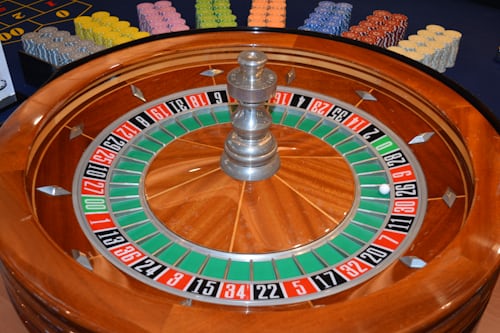
Modern Casinos as Entertainment Hubs
Today’s casinos are no longer just about gaming; they have transformed into comprehensive entertainment hubs. These venues now offer an array of experiences, from live concerts and fine dining to luxury shopping and spa services. This shift aims to attract a wider audience, appealing not just to gamblers but to families and tourists looking for diverse entertainment options.
Moreover, the design of modern casinos fosters a vibrant atmosphere, often featuring themed areas, art installations, and interactive gaming experiences. This evolution illustrates how casinos are positioning themselves as multifaceted entertainment destinations that cater to the changing preferences of their customers.
Be First to Comment